Tips for Being a Successful RV Park Manager
5star.camp Team
6/12/20268 min read
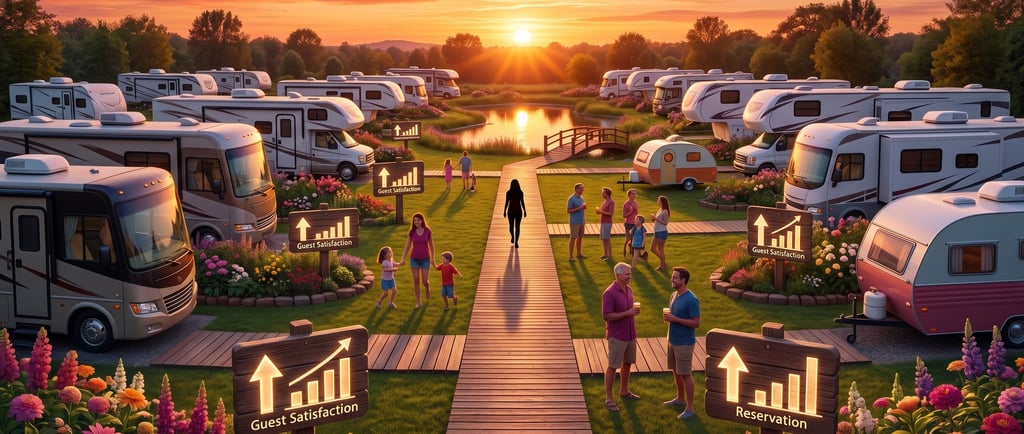

Understanding the Role of an RV Park Manager
The role of an RV park manager is multifaceted, comprising various responsibilities that ensure the smooth operation of the park and a positive experience for guests. An RV park manager oversees daily operations, which include check-in and check-out procedures. These processes are essential for maintaining a streamlined flow of guests entering and exiting the park, ensuring that all necessary documentation is correctly processed and that guests receive the information they need to enjoy their stay.
In addition to managing check-in and check-out, an RV park manager is often the first point of contact for guests, addressing inquiries that range from reservations to local attractions and services. It is essential for the manager to be knowledgeable about the park’s amenities and surrounding areas, as well as to communicate effectively with guests. This proficient communication fosters a welcoming atmosphere and enhances guest satisfaction, leading to positive reviews and repeat visits.
Another important aspect of an RV park manager's duties is overseeing maintenance management. Ensuring that the park facilities are well-maintained is critical for guest comfort and safety. This includes regular inspections of the grounds, restrooms, and utility connections, as well as coordinating repairs and upkeep services as necessary. By keeping the park in top condition, the manager not only enhances the guest experience but also protects the value of the property.
Effective customer service is a crucial skill set for RV park managers. Being approachable, attentive, and responsive to guest needs can significantly improve their stay. By actively listening to feedback and concerns, managers can make informed decisions that promote a positive atmosphere. Ultimately, a successful RV park manager is one who balances operational duties with a strong focus on guest relations, creating an environment that caters to the needs of travelers and ensures their comfort.
Creating a Welcoming Atmosphere
Creating a welcoming atmosphere in an RV park is essential for establishing a positive experience for guests. A well-maintained landscape plays a crucial role in forming a lasting first impression. Consider incorporating vibrant flower beds, neatly trimmed grass, and decorative elements such as wooden benches or fountains. Additionally, native plants can minimize maintenance while enhancing the local ecology, further increasing the park's appeal to environmentally conscious visitors.
Cleanliness is another key factor that directly impacts guest satisfaction. Regular maintenance routines should be implemented to ensure restrooms, communal areas, and RV pads are in top condition. Utilizing checklists can streamline cleaning schedules and ensure thoroughness. Providing spaces for waste disposal, recycling, and centralized areas for trash collection also demonstrates a commitment to cleanliness. Regular inspections can help identify areas in need of attention before guests express concerns.
Available amenities enhance the atmosphere by offering guests opportunities for relaxation and enjoyment. Consider including picnic areas, fire pits, and communal kitchens to foster a sense of community among guests. In addition, ensuring access to Wi-Fi and well-lit paths can improve guest comfort and safety. When guests feel comfortable and valued, they are more likely to return or recommend the park to fellow travelers.
Engaging guests can further elevate the park's atmosphere. Organizing community events, such as BBQ nights, game tournaments, or themed movie nights, encourages interaction and builds camaraderie among guests. These activities can be advertised through flyers in common areas or online platforms that cater to RV enthusiasts. The goal is to create memorable experiences that instill a sense of belonging, ultimately transforming the RV park into a home away from home.
Effective Marketing Strategies
To attract guests to an RV park, it is imperative for managers to implement effective marketing strategies that resonate with their target audiences. Identifying the right audience is the cornerstone of any marketing effort. Park managers should consider demographics such as age, family size, income level, and interests to tailor their marketing messages effectively.
One essential strategy is leveraging social media platforms. Social media provides an excellent avenue for RV park managers to share engaging content, such as photos of the park, unique amenities, facilities, and activities available to guests. Regular updates and interactions with followers can create a sense of community and encourage word-of-mouth promotion. Furthermore, running targeted ads on platforms like Facebook and Instagram can reach potential visitors who may not have been aware of the park.
Establishing partnerships with local businesses or tourist attractions can significantly enhance marketing efforts. Collaborations could include offering discounts for guests who visit local attractions or creating package deals that feature nearby amenities. This strategy not only benefits the park but also strengthens the local economy.
Online booking platforms are crucial in today’s digital age. Ensuring that the park is listed on popular booking websites can greatly increase visibility. It's important to optimize these listings with high-quality images, detailed descriptions, and positive reviews. Engaging in search engine optimization (SEO) techniques on the park's website will further enhance online visibility, making the park easier to find.
Highlighting unique aspects of the park, such as scenic views, historical significance, or special events, can also draw guests. Additionally, seasonal offers, such as discounts during off-peak periods or themed weekends, can attract visitors looking for specific experiences, thereby boosting occupancy rates.
Managing Finances and Budgets
Running a successful RV park necessitates proficient management of finances and budgets. These foundational elements are crucial for ensuring the long-term viability of your business. Understanding your expenses and revenues is the first step to effectively manage your park's finances. Start by compiling a comprehensive budget that outlines all expected costs, including maintenance, utilities, payroll, and marketing. This will provide a clear picture of your anticipated spending.
Tracking income is equally essential. Regularly monitor your revenue streams to assess how they align with your budgetary projections. Keeping detailed records will facilitate informed decision-making and allow you to identify trends in your occupancy rates and pricing strategies. Implementing accounting software designed for the hospitality industry can simplify this process, offering tools for real-time monitoring and reporting.
When it comes to setting competitive pricing, research other RV parks in your area to ensure that your rates are aligned with market standards. Pricing should reflect the quality of the amenities offered as well as the demand in the local market. Implementing a tiered pricing strategy can cater to different customer segments, allowing flexibility in securing bookings while maximizing revenue.
Maintaining cash flow is another critical aspect of managing finances in an RV park. Ensure that there is always sufficient liquidity to cover operational costs. This may involve budgeting for seasonal fluctuations by holding reserves during peak months to offset slower periods. Additionally, prepare for unexpected costs by allocating a contingency fund; this fund can be invaluable for emergencies such as major repairs or equipment failures.
Lastly, the importance of financial planning cannot be overstated. Regularly review your budget and financial performance to adapt to changing circumstances, thereby helping to secure your RV park's success over time.
Staffing and Human Resources
Managing an RV park effectively requires a well-rounded approach to staffing and human resources. The process starts with hiring the right team members, which is crucial for providing exceptional service to guests. When looking for staff, consider individuals who not only possess the necessary skills but also demonstrate a passion for customer service and a willingness to support community values. Utilizing various recruitment platforms, such as job boards and social media, can help in attracting a diverse pool of candidates.
Once the hiring process is complete, effective training of the staff is essential. A structured onboarding program that introduces new hires to the RV park's policies, procedures, and culture can significantly impact their performance. Providing ongoing training opportunities, such as workshops and seminars, not only improves their skills but also enhances their job satisfaction. Additionally, mentoring programs can foster a sense of belonging and support among employees.
Establishing a positive work culture is equally crucial in sustaining productivity within the team. This involves creating an inclusive environment where team members feel valued and motivated. Regular check-ins and feedback sessions can strengthen communication and encourage employees to voice their concerns or suggestions. Implementing team-building activities can also help in building camaraderie across the workforce, which plays a key role in retaining staff.
Retaining staff should be seen as an integral aspect of human resources management. Recognition programs that celebrate employees' achievements and contributions can enhance morale. Additionally, offering competitive wages and benefits, as well as opportunities for professional growth, are vital for fostering commitment among team members. By investing in your staff, the RV park can cultivate a dedicated team that not only meets operational needs but also elevates the guest experience.
Ensuring Safety and Compliance
Managing an RV park comes with the critical responsibility of ensuring safety and compliance with various regulations. A successful RV park manager must be well-versed in local zoning laws, safety regulations, and appropriate insurance requirements. Understanding these aspects is crucial for the smooth operation of the park and can greatly enhance the overall guest experience.
First and foremost, familiarizing oneself with zoning laws is essential. These regulations dictate how land can be used and are vital to avoid any legal complications. Consulting with local authorities will provide clarity on what is permissible within the boundaries of the RV park's location, ensuring compliance with state and local zoning laws.
Safety regulations are another paramount consideration. Managers should conduct regular safety inspections, assessing the park’s infrastructure, facilities, and amenities to identify potential hazards. This proactive approach not only ensures the well-being of guests but also reflects the manager's commitment to their safety. Furthermore, creating a comprehensive safety plan, tailored specifically for the RV park, enhances preparedness for unexpected situations such as natural disasters or accidents.
Emergency preparedness is a vital part of a manager’s role. This includes developing evacuation plans and ensuring that emergency equipment, such as fire extinguishers and first aid kits, are readily available and maintained. Additionally, hosting safety meetings can foster a culture of awareness among staff and guests alike, enhancing overall safety.
Finally, managing liability risks is a continuous process. Obtaining adequate insurance coverage tailored to the specific needs of the park can protect against unforeseen liabilities. It is also wise to encourage guests to carry their own insurance, which can minimize risks associated with accidents or damages within the park.
Continuously Improving the Guest Experience
In the competitive realm of RV park management, prioritizing the guest experience is paramount. One effective way to enhance this experience is through actively gathering feedback from guests. Implementing a robust feedback system enables managers to assess guest satisfaction and identify areas needing improvement. Utilizing surveys, suggestion boxes, and digital platforms can facilitate easy access for guests to share their insights and critiques. Listening to guests not only shows that their opinions matter, but it also creates opportunities for valuable insights into their expectations and preferences.
Beyond collecting feedback, responding to it is equally essential. Establishing a protocol for addressing guest comments, both positive and negative, can significantly boost customer satisfaction. Responding promptly to concerns demonstrates a commitment to service and can turn a potentially negative experience into a positive one. Acknowledging compliments should also be part of this strategy, as it reinforces positive behaviors and encourages repeat visits. Furthermore, consider publicly sharing improvements made based on guest feedback, showcasing a commitment to service enhancement.
Continuous upgrades to facilities and services are vital for remaining competitive. Regular assessments of amenities, recreational activities, and overall cleanliness can inform necessary modifications. Consider trends and innovations in the RV park industry, which can inspire enhancements to guest offerings, ensuring that facilities remain modern and appealing. Establishing partnerships with local businesses may also expand service options and enhance the overall guest experience.
Fostering long-term guest loyalty requires an unwavering focus on the guest experience. Implementing a loyalty program can encourage repeat visits, while personalized communication helps to reinforce connections with returning guests. Regularly engaging customers through newsletters or social media can keep them informed about special events or promotions, further enhancing retention. By continuously improving the guest experience, RV park managers can cultivate a loyal customer base that advocates for the park, ultimately ensuring sustained success.
5Star.Camp
Campground-first guest portals and digital check-ins.
App
Home
Features
Pricing
Contact
Get in touch
hello@5star.camp
Built for campground operators nationwide
© 2026 5Star.Camp-Built for gravel roads and pull-through ease.
Campfire-ready operations